
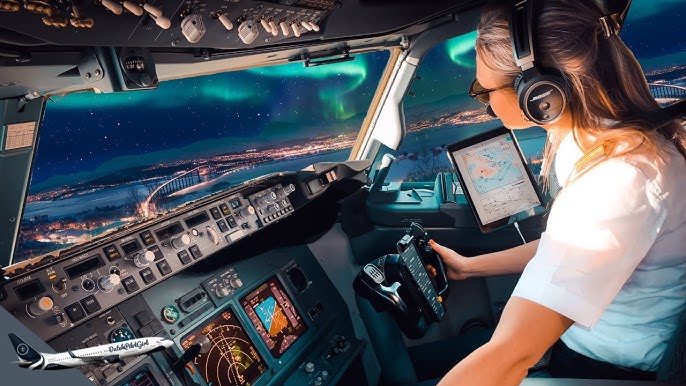

Introduction
Flight has transformed the way people connect, work, and explore the world. What once seemed impossible—lifting heavy machines into the sky—became one of humanity’s defining technological achievements. Today, flying is not just a mode of transportation; it is the backbone of global travel, trade, and communication.
This article explores the principles of flight, the experience of traveling by air, the types of aircraft in use, and the innovations shaping tomorrow’s aviation landscape.
What Is Flight?
Flight is the movement of an object through the air using aerodynamic forces. In aviation, aircraft rely on carefully engineered structures and powerful engines to overcome gravity and achieve sustained air travel.
How Flight Works
Every aircraft must balance four essential forces to fly successfully:
-
Lift – The upward force generated by the wings as air moves over them.
-
Weight – The downward pull of gravity.
-
Thrust – The forward force produced by engines or propellers.
-
Drag – The air resistance that slows the aircraft down.
The Role of Wing Design
Airplane wings use an airfoil shape—curved on top and flatter on the bottom—to create an air pressure difference, allowing lift to form. This principle, based on aerodynamic laws, is the foundation of modern aviation.
Types of Flights and Aircraft
Commercial Flights
Commercial airliners carry millions of passengers daily across domestic and international routes, focusing on safety, comfort, and efficiency.
Private Jets
Used mostly by executives and high-profile individuals, private jets offer flexibility, privacy, and direct travel routes.
Cargo Aircraft
These aircraft move global freight efficiently, delivering goods ranging from food and electronics to medical equipment.
Military Aircraft
Common military aviation categories include:
-
Fighter jets
-
Transport aircraft
-
Surveillance planes
-
Helicopters
What Happens During a Flight?
Passengers board, store luggage, and receive safety instructions before takeoff. High-speed runway acceleration generates enough lift for the aircraft to leave the ground.
Cruising
Once the plane reaches a stable cruising altitude—typically 30,000 to 40,000 feet—the flight becomes smoother and more fuel-efficient.
Landing
Pilots reduce speed, adjust altitude, and guide the aircraft precisely toward the runway for a safe landing.
Safety Measures in Modern Aviation
Aviation is among the safest forms of travel thanks to strict standards and advanced technology.
Key Safety Features
-
Redundant engine and system backups
-
Real-time weather tracking tools
-
Comprehensive crew training programs
-
Collision-avoidance technologies
-
Regular inspections and maintenance cycles
The Future of Flight
Future aircraft will increasingly rely on:
-
Electric propulsion
-
Hydrogen fuel systems
-
Sustainable aviation fuels (SAF)
Supersonic Travel
Next-generation supersonic jets aim to deliver faster travel with better fuel efficiency and reduced sonic boom impact.
Urban Air Mobility
eVTOL aircraft—often called air taxis—are being developed to ease urban congestion and provide quick short-distance travel.
FAQs
1. What allows an airplane to stay airborne?
Aircraft stay in the air because their wings generate lift while engines provide forward thrust.
2. Why do passengers feel turbulence?
Turbulence occurs when planes encounter uneven air movements caused by jet streams, storms, or temperature changes.
3. Are airplanes safer than cars?
Yes, aviation is statistically far safer due to strict regulations, professional training, and advanced onboard technology.
4. How do pilots communicate with the ground?
Pilots stay connected with air traffic controllers through radio communication and monitoring systems.
5. What items are restricted on flights?
Most flights restrict flammable items, sharp objects, and large liquid containers for safety reasons.
6. Why do ears pop during flights?
Changes in cabin pressure affect the air inside the ear, causing temporary popping sensations.
7. Can flights operate in bad weather?
Moderate weather is manageable, but severe storms, heavy snow, and poor visibility can delay or divert flights.

Comments are closed.