
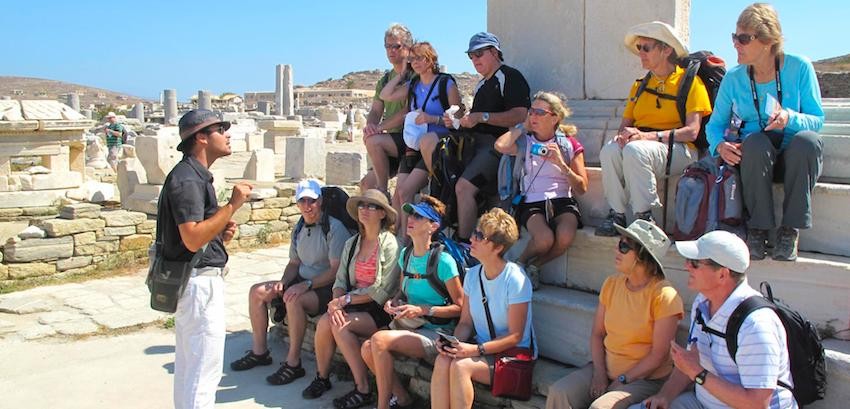

A tour guide plays a vital role in shaping a traveler’s experience. From sharing captivating stories to ensuring safety and comfort, the guide becomes the bridge between places and the people exploring them. Whether you’re preparing for a career in tourism or looking to enhance your guiding skills, understanding the fundamentals is essential.
What Does a Tour Guide Do?
A tour guide is responsible for leading individuals or groups through destinations while offering valuable insights. Their goal is to create an engaging, informative, and memorable experience.
Key Roles Include:
-
Interpreting cultural and historical information in an engaging way
-
Managing logistics such as timing, transportation, and tickets
-
Ensuring guest safety and comfort throughout the journey
-
Answering questions and offering personalized recommendations
-
Acting as a liaison between travelers and local communities
Types of Tour Guides
1. Local Tour Guides
These guides specialize in a particular city or region. They know hidden gems, local customs, and traditions better than anyone.
2. Adventure Guides
They lead outdoor experiences such as hiking, kayaking, or wildlife expeditions. Certification and safety training are often required.
3. Museum or Site Guides
Stationed at specific attractions, they provide in-depth knowledge about exhibits, architecture, or archaeological findings.
4. Tour Managers
They oversee multi-day trips, coordinating accommodation, meals, transportation, and activities.
Essential Skills Every Tour Guide Needs
Communication Skills
A great guide speaks clearly, confidently, and with enthusiasm. The ability to tell compelling stories keeps travelers engaged.
Cultural Awareness
Understanding social etiquette and respecting diversity helps create inclusive experiences.
Problem-Solving
Unexpected issues—weather, delays, or health concerns—can arise. A guide must handle them calmly and efficiently.
Organizational Skills
Tours run smoothly when the guide plans routes, schedules breaks, and manages group flow effectively.
Customer Service
Being approachable, patient, and attentive ensures travelers feel welcomed and valued.
How to Become a Tour Guide
1. Gain Relevant Knowledge
Study topics like local history, art, culture, and geography. Many guides also take specialized courses or earn certifications.
2. Develop Language Skills
Fluency in multiple languages greatly increases job opportunities, especially in tourism-heavy regions.
3. Obtain Required Permits
Some countries and cities require licenses, training, or accreditation to work legally as a guide.
4. Build Experience
Start with volunteer tours, internships, or part-time guiding jobs to gain confidence and refine your style.
5. Master Storytelling
Travelers connect deeply when information is shared through anecdotes, humor, and vivid storytelling.
Tips for Creating Unforgettable Tours
-
Start with a warm introduction to build rapport
-
Create a structured itinerary without making it feel rushed
-
Use visual aids, props, or maps when appropriate
-
Encourage participation with questions and activities
-
Adapt to different age groups, cultures, and interests
-
Stay updated on new facts, local developments, and trending attractions
Why Tour Guides Matter
Tour guides are more than facilitators—they are ambassadors of culture and heritage. They help preserve traditions, support local economies, and promote sustainable tourism practices. Their influence can turn an ordinary trip into an extraordinary one.
FAQs
1. Do tour guides need formal education?
Formal education isn’t always required, but training in tourism, history, or languages can be very beneficial.
2. How much do tour guides typically earn?
Earnings vary by country, employer type, and experience. Some guides earn additional income through tips.
3. Can tour guides specialize in specific themes?
Yes, many guides focus on food tours, architecture, history, wildlife, or adventure activities.
4. What tools should a tour guide always carry?
Common tools include a map, first-aid kit, itinerary sheet, microphone, and emergency contacts.
5. How long does it take to become a professional guide?
It can range from a few weeks of training to several months depending on local certification requirements.
6. Do tour guides work full-time or part-time?
Both options exist. Many guides work seasonally, while others build full-time careers with travel agencies.
7. How can tour guides handle difficult guests?
Staying calm, listening respectfully, and offering solutions helps maintain harmony within the group.

Comments are closed.