

Finding the right accommodation can significantly influence your travel experience, whether you’re planning a vacation, business trip, or long-term stay. Understanding the types of stays available, their features, and how to choose wisely helps ensure comfort, convenience, and value for money. This guide breaks down everything you need to know to make the best lodging decisions.
What Is Accommodation?
Accommodation refers to any space available for temporary or extended stays. It ranges from basic budget options to luxurious full-service establishments. The choice depends on preferences, travel goals, and budget.
Types of Accommodation
Hotels
Hotels are known for their comfort, privacy, and amenities. They vary widely in price and style.
Key features:
-
Private rooms with ensuite bathrooms
-
Daily housekeeping
-
Facilities such as Wi-Fi, restaurants, pools, and room service
-
Suitable for business travelers, families, and short-term stays
Hostels
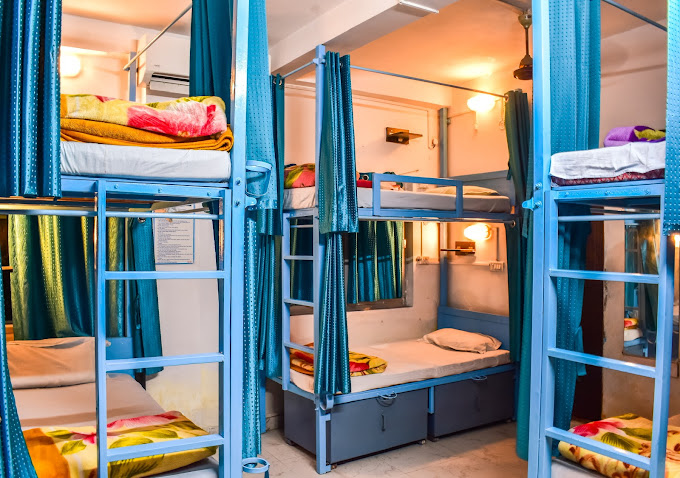
Hostels offer budget-friendly lodging, typically with shared spaces.
Ideal for:
-
Backpackers
-
Solo travelers
-
Youth travelers
What to expect:
-
Dorm-style rooms
-
Shared bathrooms
-
Social common areas
-
Optional private rooms in modern hostels
Vacation Rentals
Vacation rentals include apartments, villas, cottages, or homestays rented from individuals or agencies.
Benefits:
-
Full kitchens
-
Home-like environment
-
Great for families and long-term stays
-
More privacy compared to hotels
Resorts
Resorts are all-in-one properties designed for relaxation and recreation.
Features include:
-
Restaurants and bars
-
Pools, spas, gyms
-
Activity programs and entertainment
-
Beachfront or scenic locations
Bed and Breakfasts (B&Bs)
B&Bs offer personalized service and homely comfort.
Highlights:
-
Locally prepared breakfast
-
Charming rooms
-
Warm, host-driven experience
Serviced Apartments
Perfect for extended stays, serviced apartments blend hotel convenience with apartment-style living.
Advantages:
-
Kitchenettes
-
Living space
-
Weekly housekeeping
-
Cost-effective long-term option
How to Choose the Right Accommodation
Consider Your Budget
Determine how much you’re willing to spend per night, including taxes and extra fees.
Location Matters
Look for accommodations close to:
-
Public transport
-
Key attractions
-
Conference venues
-
Necessities like supermarkets or medical facilities
Check Amenities
Travel needs vary. Make sure to verify available amenities such as:
-
Wi-Fi
-
Parking
-
Breakfast
-
Laundry services
-
Air conditioning or heating
Read Guest Reviews
User reviews provide real insights into:
-
Cleanliness
-
Staff behavior
-
Noise levels
-
Actual comfort and experience
Compare Booking Platforms
Different platforms may offer unique deals, discounts, or cancellation policies. Compare wisely before finalizing.
Tips for a Comfortable Stay
-
Book early during peak seasons
-
Choose refundable rates when plans are uncertain
-
Contact the property directly for special requests
-
Keep personal belongings secure
-
Check-in and check-out policies before arrival
Common Mistakes to Avoid
-
Overlooking hidden fees
-
Ignoring accessibility needs
-
Not checking room size or bed type
-
Skimming through cancellation policies
FAQs
1. What is the best type of accommodation for long-term travel?
Serviced apartments and vacation rentals are ideal due to their kitchen facilities and home-like setup.
2. How early should I book accommodation for holiday seasons?
Ideally, book at least 2–3 months in advance to secure better prices and availability.
3. Are hostels safe for solo travelers?
Yes, especially well-reviewed hostels that offer secure lockers and female-only dorms.
4. Do hotels allow late check-outs?
Many do, but it often depends on availability. Additional charges may apply.
5. What is the difference between a resort and a hotel?
A resort offers additional recreational facilities and activities, while hotels focus mainly on lodging and basic amenities.
6. Can I negotiate accommodation prices?
Some accommodations, especially independent ones, may offer discounts for long stays or direct bookings.
7. Are B&Bs suitable for families?
Yes, many B&Bs provide family-friendly rooms and personalized care.

Comments are closed.