
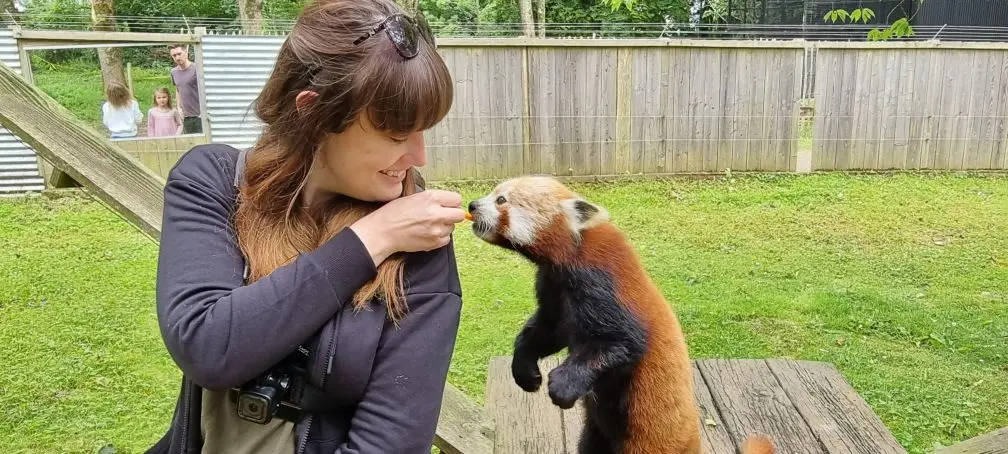

A red panda experience can be a lovely focus for a zoo visit, especially if you have a favourite animal you would like to learn more about. Before booking, though, it helps to understand exactly what the session involves and how it fits into your day.
For a first visit, start with the practical details rather than a photograph. This step-by-step guide takes you from choosing a session to arriving ready to enjoy it, without assuming every UK zoo offers the same format.
Step 1: read the encounter description carefully
Look for a description of what happens during the session. Does it explain where you meet, who leads the experience and what participants do? Don’t assume that “meet” means you can stroke, hold or feed a red panda. Only count on activities explicitly included in the booking details.
If Hertfordshire is a convenient option, its red panda experience uk page is a useful starting point. The zoo describes welcome drinks at Zoo HQ, an introduction to a keeper, an escort to the red panda habitat and a health and safety briefing.
Read the full description and terms before deciding whether that experience suits you. If an important detail isn’t clear, contact the bookings team with a specific question. “Will I be watching or taking part in an activity?” is more useful than asking whether it is a good experience.
Step 2: check everyone in your party can take part
Check the eligibility rules for your chosen session, including any minimum age and requirements for children to be accompanied. Don’t buy a ticket first and assume the zoo can make an exception later.
Find out whether a parent, partner or friend who isn’t participating can accompany you, and whether they need a separate ticket. It is particularly important to settle this when one adult will be supervising children elsewhere in the zoo.
If anyone has access needs, ask about the actual route and activity. Questions about steps, surfaces, standing time and available seating give the venue something concrete to answer. Explain what support you need rather than relying on a general description of zoo accessibility.
For a surprise gift, discreetly check these details before buying. A session that suits the recipient matters more than keeping every part of the outing secret.
Step 3: calculate the cost of the whole visit
Make a short budget covering the experience, zoo admission, travel, parking and food. Establish which items are included in the ticket price and which need to be paid for separately.
If you are comparing sessions, compare the inclusions as well as the prices. A ticket for one participant is not the same purchase as a booking for two, and an encounter ticket is not necessarily a full-day admission ticket.
Check any gift-voucher conditions too: the expiry date, how to reserve the experience and whether the recipient has flexibility over the date. Read cancellation and date-change terms before paying, particularly if the visit depends on a long journey or an overnight stay.
Keep the budget simple. Knowing the likely total upfront makes it easier to decide whether to bring a picnic, arrange a lift or choose a different date.
Step 4: book a date that works for the journey
Look at the booking calendar before making other arrangements. Once you have chosen a slot, check the required arrival time as well as the session’s start time. You may need to allow time for entering the zoo and reaching the meeting point.
Plan your route using the venue’s travel information. If you are taking public transport, check the final connection to the zoo and the return journey, not just the main train service. For a drive, leave a reasonable buffer for traffic.
Save the confirmation and any arrival instructions somewhere you can find them easily. Check whether the venue requires documents or information from participants beforehand.
Avoid putting another timed activity immediately before or after the encounter. A little space in the itinerary lets you find your way around without constantly watching the clock.
Step 5: prepare for the session, not just the photo
Follow the venue’s clothing guidance. Check the weather forecast and bring suitable layers for the rest of your zoo visit. If particular footwear is required, make sure everyone has it before leaving home.
Think of two or three questions you would enjoy asking the keeper. What does caring for red pandas involve? How is their diet planned? What does the keeper notice when observing them? You don’t need a long list; a genuine question is enough to start a conversation.
If children are coming, explain that the keeper sets the rules and that quiet waiting may be part of the visit. Avoid promising a particular photograph or interaction.
Step 6: let the keeper set the pace
Listen to the safety briefing and stay where you are asked to stay. Ask about photography rules before using your phone or camera. Never offer food or reach towards an animal unless the keeper specifically directs an approved activity.
If a red panda moves away or rests, give it space. Use the opportunity to observe and listen rather than trying to draw it back.
Once the encounter ends, leave time to enjoy the rest of the zoo at your own pace. A well-planned visit should feel like a day out, not a race between appointments.

Comments are closed.