
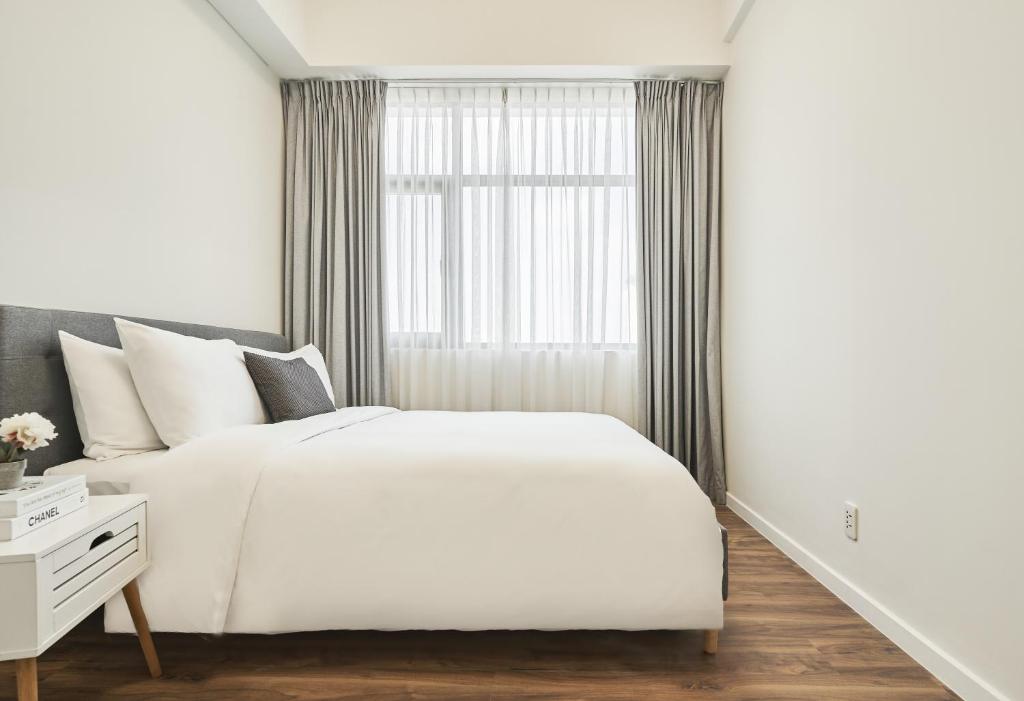

Booking travel lodging usually follows a familiar script. You set a budget, scan high-resolution photo galleries, filter by star ratings, and read a dozen glowing reviews. On paper, the boutique hotel or short-term vacation rental looks flawless. Yet, upon arrival, reality sets in: a relentless delivery truck idles beneath your window at dawn, the internet drops during every video conference, or the air feels thick and musty within an hour of closing the door.
Surface-level specifications rarely tell the entire story. Marketing images use ultra-wide lenses to distort physical space, while standard review scores often reflect general sentiment rather than practical livability. Whether you are traveling for remote work, family leisure, or an extended getaway, true comfort hinges on structural and environmental subtleties that booking engines regularly obscure.
Evaluating accommodations like an experienced traveler requires digging beneath curated marketing. Here are seven hidden factors that genuinely determine whether a stay rejuvenates you or ruins your itinerary.
1. Micro-Location Nuances and Ambient Soundscapes
A property can sit in an ideal neighborhood and still occupy a terrible micro-location. Map pins show proximity to major attractions, public transit, and celebrated restaurants, but they conceal the hyper-local friction points that dictate your daily routine.
Noise pollution is rarely uniform across a single city block. A room facing an internal courtyard offers a radically different experience than one positioned above a nightlife strip, an alley housing commercial trash compactors, or a twenty-four-hour bus depot.
To evaluate micro-location effectively, examine these details before booking:
-
Commercial loading zones: Ground-floor supermarkets, bakeries, and retail shops routinely receive noisy freight deliveries between four and six in the morning.
-
Emergency transit routes: Check whether the street serves as a primary arterial road between major hospitals or fire stations.
-
Topography and accessibility: A listing marked as two hundred yards from the train station might require ascending a steep flight of municipal stairs, making luggage transport exhausting.
-
Pedestrian bottleneck points: Proximity to school zones, sports venues, or transit hubs creates massive waves of foot traffic and noise at specific times of day.
Always pull up satellite imagery and street-level views to inspect what actually sits adjacent to and across from the building entrance.
2. In-Room HVAC Mechanics and Passive Ventilation
Temperature control and air quality influence sleep quality more than mattress firmness. Standard listings often boast air conditioning or heating, but the operational mechanics behind those labels vary dramatically.
Central systems controlled by building management frequently run on seasonal presets. In many older European or historic American buildings, management switches from cooling to heating on a set calendar date. If an unexpected heatwave strikes in late autumn, you may find the system locked on heat with windows that barely open.
Furthermore, air distribution matters. A loud, wall-mounted ductless mini-split aimed directly at your pillows can cause dry eyes, stiff muscles, and disrupted sleep. Conversely, basement-level rentals or windowless spaces lack natural airflow, accumulating moisture and triggering allergies. Look for clear confirmation of individual room thermostats, operational exterior windows, and dedicated exhaust fans in humid zones like bathrooms.
3. Electrical Layout and Practical Work Infrastructure
Modern travelers carry an array of battery-dependent devices, including laptops, cameras, smartphones, and power banks. Despite this, many accommodations still feature outdated electrical architecture.
A hotel room may feature ten lamps but only one accessible wall outlet, often hidden behind an immovable headboard or occupied by a mini-fridge. For business travelers and digital nomads, this design flaw creates daily headaches.
Evaluate the infrastructure through these practical checkpoints:
-
Desk ergonomics: A vanity table with an ornamental stool is not a functional workspace. Look for standard desk heights paired with supportive chairs.
-
Outlet proximity: Essential charging points should sit directly beside the bed and above the desk surface, eliminating the need to stretch cords across walking paths.
-
Lighting temperature: Recessed warm-white lighting is ideal for winding down, but working productively requires directional, task-focused lighting that does not cast heavy shadows over your workspace.
4. Network Reliability Beyond Advertised Speeds
Free high-speed internet has become a standard bullet point on every booking site, yet the quality of that connection fluctuates wildly. A host running a speed test directly adjacent to their router might capture high download rates, but your room might sit three thick concrete walls away, receiving an unstable, attenuated signal.
Bandwidth quantity does not equal network stability. High latency, packet loss, and frequent dropouts make real-time communication tools like video calls or virtual private networks unusable, even if standard web pages load without delay.
Ask the property host for verified speed test screenshots that display latency and jitter alongside download and upload metrics. In larger boutique hotels, inquire whether rooms feature dedicated access points or rely on shared repeaters scattered across long hallways.
5. Architectural Ergonomics and Functional Square Footage
Photographers use wide-angle focal lengths to make small hotel rooms look like spacious suites. Consequently, advertised square footage can deceive you if the layout wastes usable space.
Poor architectural design steals functional utility:
-
Long, narrow entry vestibules: These consume significant square footage without offering storage or usable living room.
-
Slanted attic ceilings: Loft apartments often count floor space where a person cannot stand upright due to acute roof angles.
-
Door clearance conflicts: Poorly planned layouts feature bathroom or closet doors that collide with the bed frame, luggage racks, or each other.
-
Shower stall proportions: European-style wet rooms or micro-showers can restrict basic movement, making simple grooming awkward.
Look at amateur traveler photos rather than professional staging to see how ordinary luggage, open bags, and human bodies actually fit within the physical dimensions.
6. Plumbing Integrity and Water Pressure Consistency
Water pressure and drainage rarely cross a traveler’s mind until they step into a shower that produces a weak trickle or fills the basin with standing water.
In historic buildings and high-rise developments, water delivery systems often struggle during peak usage hours. When an entire floor prepares for the day between seven and eight in the morning, top-floor rooms frequently suffer from plummeting pressure or abrupt temperature spikes.
Similarly, older sewer infrastructure can produce intermittent sulfur or sewage odors that travel backward through floor drains, particularly on dry days or during atmospheric pressure shifts. Scrutinize past reviews using specific keywords like drainage, water temperature, hot water supply, and pressure to detect ongoing systemic plumbing faults.
7. Storage Solutions and Long-Term Unpacking Logic
Living out of an open suitcase on the floor creates visual clutter and mental fatigue, turning even a stylish suite into a chaotic obstacle course within forty-eight hours.
Functional accommodations prioritize practical storage mechanics. This includes full-depth closets with removable hangers rather than anti-theft loops, wide luggage benches designed to hold open suitcases off the floor, and deep bathroom shelving that accommodates personal toiletries without crowding the sink basin.
When properties sacrifice closets for minimalist open racks or eliminate drawers entirely to save space, extended stays become messy and disorganized. Take note of whether a room provides genuine cabinetry or merely offers aesthetic hooks on an empty wall.
Frequently Asked Questions
How can I verify that a room will be quiet before finalizing a reservation?
Reach out to the front desk or host directly to request an upper-floor room positioned away from mechanical rooms, elevators, service entrances, and street-facing facades. You can also run the exact address through third-party sound-mapping tools and satellite software to check for nearby delivery zones, construction sites, and emergency vehicle corridors.
What should I do if an accommodation has undisclosed architectural limitations upon arrival?
Document the specific discrepancies immediately using high-definition photographs and video clips, comparing them directly against the booking listing descriptions. Present this evidence to on-site management right away to request an immediate room swap, or contact your booking platform within the first twenty-four hours to request alternative housing or a partial refund.
Are corner rooms always superior choices for travelers?
Not necessarily. While corner rooms frequently offer multi-directional views and more windows, they also contain more exterior wall surface, which can result in poorer thermal insulation during extreme weather. Furthermore, being bordered by multiple streets can double your exposure to external traffic noise compared to an interior-facing room.
How can I reliably test the internet speed before checking in?
Message the host or property manager and ask them to run a speed test from inside the specific room you will occupy, rather than from their main office or living area. Request that they send a screenshot displaying ping, jitter, download speed, and upload speed to ensure the connection handles your specific remote work requirements.
Why do some accommodations smell like sewer gas only at night?
This typically occurs due to dried-out plumbing traps or inadequate building vent stacks. When floor drains or secondary sinks go unused, the water barrier inside the pipe trap evaporates, allowing sewer gases to rise into the living space, a problem that often intensifies when doors and windows remain shut overnight.
How does building age correlate with overall guest comfort?
Older buildings offer historic charm and solid masonry construction that blocks airborne noise between rooms, but they often struggle with antiquated plumbing, uneven electrical wiring, and rigid central heating. Newer builds typically provide superior electrical outlets and climate control, though their interior partition walls are frequently thinner, allowing structural noise from neighboring rooms to transmit easily.

Comments are closed.