
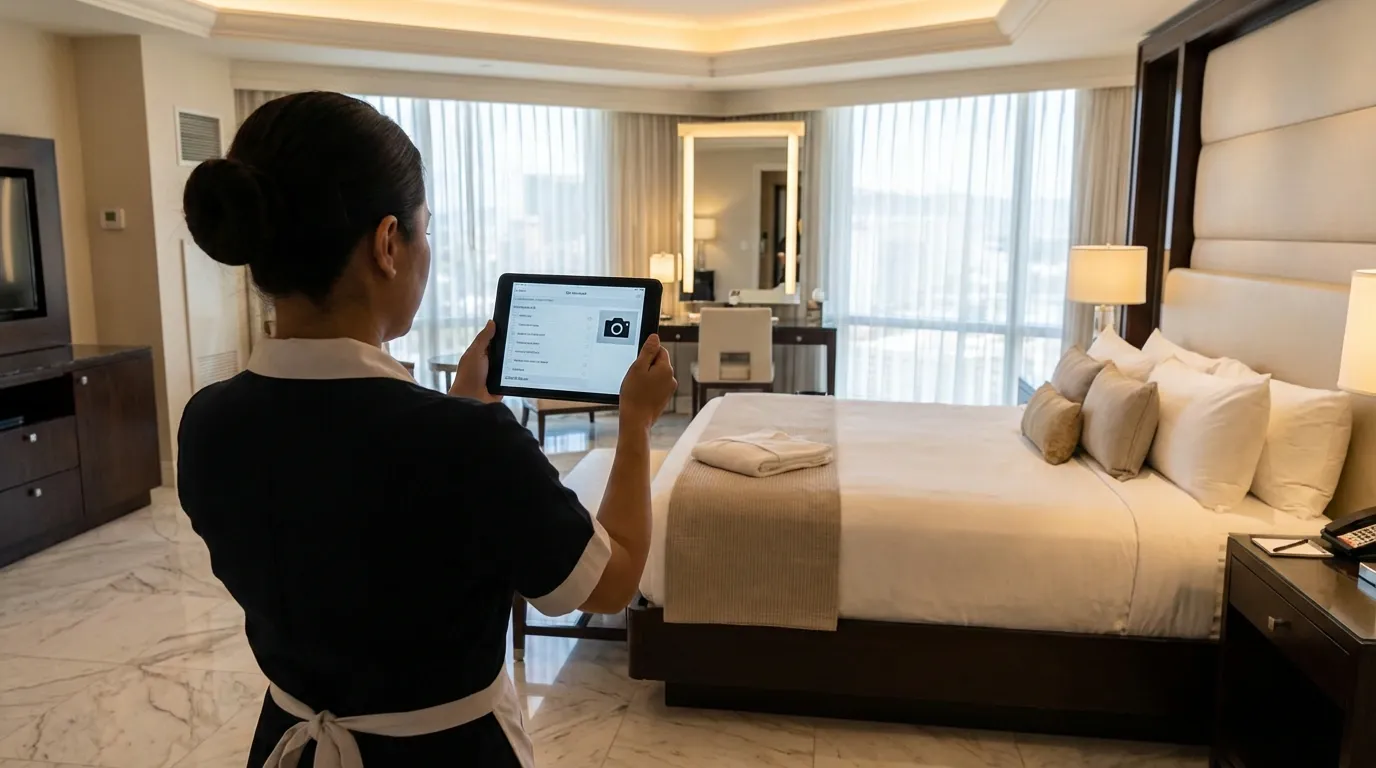

After hours of navigating crowded airports, dealing with rental car counters, or driving along busy highways, stepping through your hotel room door feels like reaching the finish line. The natural instinct is to drop your luggage on the bed, kick off your shoes, and collapse against the pillows. Doing so, however, is one of the most common travel mistakes you can make.
Hotels handle thousands of guests each year, operating on tight turnover schedules where housekeeping teams often have mere minutes to prepare a suite for the next guest. Even luxury five-star properties are not immune to maintenance slip-ups, lingering sanitary concerns, pest outbreaks, or faulty security mechanisms.
Taking just eight to ten minutes to execute a methodical room inspection before you touch the bed linens or unpack a single shirt can save you from ruined vacations, unexpected fees, allergic flare-ups, or security vulnerabilities. Developing this inspection habit ensures your room is secure, sanitary, and functional before you commit to staying in it.
The Staging Step: Secure Your Luggage First
The inspection process begins the instant you open the door, and the first move involves controlling where your belongings rest. Never place your bags on the bed, sofa, or carpeted floor right away. These soft surfaces are primary harborages for pests, particularly bed bugs, which can hitchhike on seams, zippers, and interior fabric linings.
Instead, utilize temporary staging zones:
-
The tile sanctuary: The bathroom floor or a dry tiled entryway is the safest staging area. Pests avoid slick, cold tile surfaces, making it virtually impossible for bugs to transfer onto your luggage while you survey the rest of the room.
-
The elevated luggage rack: If you prefer to keep luggage in the living area, place the metal or wooden luggage rack away from the wall and inspect its webbing straps first. Keep your bags zipped shut on the rack throughout the inspection process.
Once your bags are isolated in a clean, elevated, or tiled area, leave the main door securely propped open with your foot or deadbolt catch while you do a swift visual sweep of the perimeter.
Bed Inspection: The Critical Vector for Pests and Hygiene
The bed is the heart of your accommodation and demands your most thorough attention. Finding bed bugs, soiled sheets, or damp foam after you have fully unpacked or tried to sleep at midnight creates an enormous hassle.
To inspect the mattress properly, turn on your smartphone flashlight and strip the linens down to the raw mattress surface. Pull back the duvet, top sheet, and fitted mattress protector at all four corners:
-
Check the piping and seams: Bed bugs are roughly the size of an apple seed, oval, and reddish-brown. They hide inside mattress piping, decorative tufts, seams, and fabric tags.
-
Look for waste traces: You are not only looking for live insects. Search for clusters of tiny black or rust-colored spots, which indicate insect waste, as well as translucent molted skins or pale, microscopic eggs along the stitching.
-
Inspect the headboard: Bed bugs prefer wooden and upholstered headboards that sit flush against drywall. Peer behind the headboard using your flashlight, examining screw holes, wall brackets, and the rear backing.
-
Assess sheet cleanliness: Check the sheets for stray hairs, skin flakes, makeup smudges, or laundry detergent residue. Fresh sheets should have crisp fold lines and a completely neutral odor.
If you spot any evidence of insects or questionable stains, take clear photos with your phone immediately, collect your untouched bags from the tile area, and return to the front desk to request a room change on a completely different floor.
Physical Security and Access Points
Your physical safety and privacy inside the room outweigh every other amenity. Hotel doors endure constant use, and locking hardware wears down over time.
Verify every point of entry as soon as you conclude the bed check:
-
The primary door lock and deadbolt: Close the door completely and verify that the latch clicks into the strike plate without needing to pull or push forcefully. Engage the manual deadbolt and confirm it throws smoothly into the door jamb.
-
Secondary security latches: Test swing bars, security chains, or flip latches to make sure they are screwed tightly into solid wood or steel studs rather than loose drywall anchors.
-
The peephole integrity: Look through the door viewer from the inside to ensure you have an unobstructed view of the hallway. Then, inspect it from the outside. If the peephole lens is missing, cracked, loose, or appears reversed, cover it with a piece of paper or tissue and notify maintenance, as reverse peephole viewers can allow individuals outside to look into your room.
-
Balcony doors and ground-floor windows: If your room features an outdoor balcony, terrace, or ground-level exterior window, verify that the locking tracks, handles, and secondary pins seat securely. Never assume an upper-story balcony window is inaccessible from neighboring rooms.
-
Adjoining door deadbolts: If your room has an adjoining door connecting to an adjacent suite, double-check that the deadbolt on your side is locked tight. Test the door handle to confirm the barrier remains rigid.
The Bathroom Sweep: Plumbing, Drainage, and Sanitization
Hotel bathrooms receive the heaviest usage and require stringent sanitation. A fast visual review will show whether housekeeping cleaned the space properly or simply rushed through a basic cosmetic tidy-up.
Begin by running the fixtures to verify functional water supply and drainage:
-
Sink and shower pressure: Turn the faucets to full cold, then full hot. Check how quickly hot water reaches the room, monitor the water pressure, and watch for cloudy or rust-colored water that suggests aging galvanized pipes.
-
Drain speed: Let water run in the sink basin and bathtub for thirty seconds. If water pools or swirls sluggishly, the pipe trap likely harbors hair clogs from previous guests, which can cause unpleasant odors and overflowing basins later.
-
Toilet flush mechanics: Flush the toilet to confirm strong suction, full bowl clearing, and a silent fill valve that shuts off cleanly without running continuously.
-
Sanitation review: Inspect the toilet seat, hinge mounts, and base for water spots or biological residue. Glance at the shower curtain or glass enclosure for mildew buildup along the bottom seams. Verify that all bath towels hanging on the racks are completely dry, spotless, and free of foreign fibers.
Environmental Controls and Air Quality
Your ability to sleep comfortably relies directly on temperature and ambient air quality. Faulty air handling units can ruin an entire stay with loud mechanical rattling, foul odors, or poor temperature calibration.
Walk directly over to the climate control thermostat and wall-mounted heat pump:
-
Thermostat response: Adjust the temperature settings up and down to ensure the control pad sends an active signal to the central unit. Listen for the fan motor and compressor kicking on within a minute.
-
Air filter and vent check: Shine your light into the air return vent and discharge grilles. Thick mats of dust, pet dander, or black mold spores inside the vents will circulate directly into your breathing zone all night, triggering allergy symptoms or respiratory irritation.
-
Unwanted odors: Sniff the air near the air vents and corners of the room. Musty dampness signals latent water damage, while stale tobacco smoke or heavy masking aerosols indicate that previous occupants violated non-smoking policies, which can permeate your clothes.
Electronics, Outlets, and Practical Utilities
Before you plug your expensive electronics into wall receptacles or store perishable food, verify that the room utilities function as advertised.
-
In-room safe verification: Open the safe and test the digital locking keypad before placing any passports, jewelry, or cash inside. Enter a test code with the door open to confirm the locking bolts slide in and out freely without jamming.
-
Mini-fridge temperature: If your room includes an active refrigerator, open the door to confirm the interior compressor is actively chilling. Check that no leftover food, open drink cartons, or ice buildup remain from previous guests.
-
Outlet and charging port integrity: Test the bedside outlets with your phone charger to ensure the wall sockets hold the plug firmly rather than letting it sag loose. Loose wall plugs create fire hazards and fail to charge devices reliably.
-
High-touch sanitization: Keep in mind that TV remotes, telephone keypads, bedside lamp switches, and alarm clocks are rarely disinfected thoroughly during standard housekeeping turns. Wipe these surfaces down with an antibacterial wipe before handling them regularly.
Carrying out this complete checklist takes less time than running down to the lobby for a cup of coffee. By taking charge of your environment the moment you walk through the door, you protect your peace of mind, your personal health, and your travel schedule.
Frequently Asked Questions
What is the very first thing I should do if I discover bed bugs during my room inspection?
Take clear, close-up photographs and video clips of the insects, droppings, or eggs with your phone as visual evidence. Do not attempt to kill or disturb the pests. Immediately grab your belongings from the temporary staging area, walk down to the front desk, and calmly present the evidence to the general manager. Request a new room located on an entirely different floor and well away from that plumbing stack, or request an immediate, penalty-free cancellation so you can book a different hotel.
How do I handle a room that smells strongly of cleaning chemicals or air freshener?
A heavy chemical or fragrance smell is often used by cleaning crews to mask underlying problems such as stale cigarette smoke, water damage, or pet odors. Turn on the ventilation fan and crack an exterior window if possible. If the odor fails to dissipate within ten to fifteen minutes, contact the front desk and request a room reassignment, as concentrated masking sprays can cause severe headaches and respiratory distress overnight.
Are hotel room glassware and ceramic mugs safe to use right away?
Unless glassware is individually sealed in tamper-evident plastic or paper sanitation wrappers, avoid using it without washing it yourself first. In many establishments, housekeeping staff rinse bathroom tumblers in the bathroom sink using standard hand soap or wipe them down with the same microfiber cloth used for the countertop, rather than cycling them through a high-temperature commercial dishwasher. Wash glasses thoroughly with hot water and dish soap before drinking from them.
What should I do if the room safe is locked or displays an error code upon arrival?
Do not try to force the safe open or guess default master codes. Contact the front desk right away to send a security staff member or manager to reset the electronic mechanism with the property master key. Always test the safe with a temporary code while the door remains wide open several times before placing your valuables inside to ensure the locking bolts do not seize up.
Should I report minor room defects like loose cabinet hinges or scuffed baseboards?
Yes, you should report visible cosmetic damage, large carpet stains, cracked lampshades, or loose fixtures right away, even if they do not bother your personal comfort. Snap quick photos on your phone and send a short message through the hotel app or mention them to the front desk staff. This establishes an immediate, documented timeline proving that the damage occurred before your check-in, protecting you from incidental damage charges on your final bill.
Why is it important to check the room telephone on the bedside table?
The in-room landline telephone is your primary direct communication link to the front desk, security staff, and local emergency services during a power outage or in areas where cellular reception is spotty inside concrete high-rises. Lift the handset to verify a clear dial tone and confirm that the primary speed-dial keys for the front desk and emergency assistance respond properly.
How can I tell if an air conditioner unit has mold inside without taking it apart?
Shine your phone flashlight directly down through the horizontal airflow louvers and inspect the rotary blower fan barrel located just behind the vent slats. If you see fuzzy dark specks, damp powdery buildup, or black spots clinging to the plastic fan blades or interior housing walls, the unit contains active mold or mildew colonies. You should request an immediate room swap, as running that unit will circulate those spores straight into the room air.

Comments are closed.